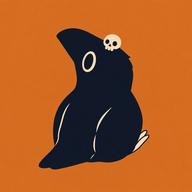
Candle Cove remains memorable because it offers one strong image before it asks for belief: an online forum story about adults remembering a children’s pirate show that may never have existed, turning nostalgia, static, puppets, and shared memory into horror. That image gives the page a center, whether the subject belongs to lost-world legend, strange place folklore, modern mystery, or internet horror.
The article reads that image through lost media, childhood memory, forum storytelling, puppet horror, television nostalgia, and the fear that many people can remember the same impossible broadcast. It moves slowly enough for the scene, the explanations, the source limits, and the later meanings to connect, so the reader can follow the subject as one continuous story rather than a set of loose claims.
What Candle Cove Is
What Candle Cove Is gives Candle Cove its first clear shape. The subject is remembered through an online forum story about adults remembering a children’s pirate show that may never have existed, turning nostalgia, static, puppets, and shared memory into horror, so the article has to begin with the scene readers can picture before it moves into explanation. This matters because the story is not only about whether one report can be verified. It is also about why people keep returning to the image, why the place or object feels charged, and why later versions select some details while dropping others. For that reason, Candle Cove is strongest when read as a layered record: part memory, part interpretation, part warning, and part invitation to look more carefully at what the sources can actually support.
The key detail here is the forum-story premise and lost-show frame. That detail keeps Candle Cove from becoming a loose collection of claims, because it gives the reader a specific path through lost media, childhood memory, forum storytelling, puppet horror, television nostalgia, and the fear that many people can remember the same impossible broadcast. The paragraph should therefore connect cause, image, and meaning in one movement. It should not behave like a caption under a heading; it should give the reader enough context to understand why the next section follows naturally. The result is a steadier article shape, with fewer headings and fuller paragraphs that let the subject breathe instead of breaking the story into small repeated fragments.
What Candle Cove Is keeps the focus on the image at the center of the page: an online discussion where adults compare fragments of a children's program until the missing tape becomes the story's strongest evidence. It shows how Candle Cove Creepypasta moves into a larger pattern of Candle Cove, creepypasta, lost media, and forum memory. The point is to let this part of the page add one more layer of setting, source limit, or meaning instead of repeating the same general explanation.
Shared Memory as Horror
Shared Memory as Horror gives Candle Cove its first clear shape. The subject is remembered through an online forum story about adults remembering a children’s pirate show that may never have existed, turning nostalgia, static, puppets, and shared memory into horror, so the article has to begin with the scene readers can picture before it moves into explanation. This matters because the story is not only about whether one report can be verified. It is also about why people keep returning to the image, why the place or object feels charged, and why later versions select some details while dropping others. For that reason, Candle Cove is strongest when read as a layered record: part memory, part interpretation, part warning, and part invitation to look more carefully at what the sources can actually support.
The key detail here is why agreement between strangers makes the story stronger. That detail keeps Candle Cove from becoming a loose collection of claims, because it gives the reader a specific path through lost media, childhood memory, forum storytelling, puppet horror, television nostalgia, and the fear that many people can remember the same impossible broadcast. The paragraph should therefore connect cause, image, and meaning in one movement. It should not behave like a caption under a heading; it should give the reader enough context to understand why the next section follows naturally. The result is a steadier article shape, with fewer headings and fuller paragraphs that let the subject breathe instead of breaking the story into small repeated fragments.
The important movement in Shared Memory as Horror is continuity. Candle Cove Creepypasta becomes easier to follow when each section adds a new pressure to the same central image. Here, that image stays visible: an online discussion where adults compare fragments of a children's program until the missing tape becomes the story's strongest evidence. From there, the paragraph can turn toward context, memory, and later interpretation while the article keeps moving as one connected account.
Children’s Television and Unease
Children’s Television and Unease gives Candle Cove its first clear shape. The subject is remembered through an online forum story about adults remembering a children’s pirate show that may never have existed, turning nostalgia, static, puppets, and shared memory into horror, so the article has to begin with the scene readers can picture before it moves into explanation. This matters because the story is not only about whether one report can be verified. It is also about why people keep returning to the image, why the place or object feels charged, and why later versions select some details while dropping others. For that reason, Candle Cove is strongest when read as a layered record: part memory, part interpretation, part warning, and part invitation to look more carefully at what the sources can actually support.
The key detail here is how familiar media becomes frightening. That detail keeps Candle Cove from becoming a loose collection of claims, because it gives the reader a specific path through lost media, childhood memory, forum storytelling, puppet horror, television nostalgia, and the fear that many people can remember the same impossible broadcast. The paragraph should therefore connect cause, image, and meaning in one movement. It should not behave like a caption under a heading; it should give the reader enough context to understand why the next section follows naturally. The result is a steadier article shape, with fewer headings and fuller paragraphs that let the subject breathe instead of breaking the story into small repeated fragments.
Children’s Television and Unease also helps separate mood from certainty. The story can stay vivid without asking every retelling to prove the same claim in the same way. By keeping Candle Cove, creepypasta, lost media, and forum memory near the center, this section shows why Candle Cove Creepypasta kept its shape while still leaving uncertain details in their proper place.
Static, Puppets, and the Final Reveal
Static, Puppets, and the Final Reveal gives Candle Cove its first clear shape. The subject is remembered through an online forum story about adults remembering a children’s pirate show that may never have existed, turning nostalgia, static, puppets, and shared memory into horror, so the article has to begin with the scene readers can picture before it moves into explanation. This matters because the story is not only about whether one report can be verified. It is also about why people keep returning to the image, why the place or object feels charged, and why later versions select some details while dropping others. For that reason, Candle Cove is strongest when read as a layered record: part memory, part interpretation, part warning, and part invitation to look more carefully at what the sources can actually support.
The key detail here is the details that make the legend memorable. That detail keeps Candle Cove from becoming a loose collection of claims, because it gives the reader a specific path through lost media, childhood memory, forum storytelling, puppet horror, television nostalgia, and the fear that many people can remember the same impossible broadcast. The paragraph should therefore connect cause, image, and meaning in one movement. It should not behave like a caption under a heading; it should give the reader enough context to understand why the next section follows naturally. The result is a steadier article shape, with fewer headings and fuller paragraphs that let the subject breathe instead of breaking the story into small repeated fragments.
A stronger reading of Static, Puppets, and the Final Reveal begins with the part readers can actually follow: an online discussion where adults compare fragments of a children's program until the missing tape becomes the story's strongest evidence. That image gives the page a stable point, while the surrounding details show how the motif is repeated, questioned, and reused. The balance lets Candle Cove Creepypasta feel substantial without turning uncertainty into a false conclusion.
Lost-Media Culture and Creepypasta gives Candle Cove its first clear shape. The subject is remembered through an online forum story about adults remembering a children’s pirate show that may never have existed, turning nostalgia, static, puppets, and shared memory into horror, so the article has to begin with the scene readers can picture before it moves into explanation. This matters because the story is not only about whether one report can be verified. It is also about why people keep returning to the image, why the place or object feels charged, and why later versions select some details while dropping others. For that reason, Candle Cove is strongest when read as a layered record: part memory, part interpretation, part warning, and part invitation to look more carefully at what the sources can actually support.
The key detail here is why the format fit early online folklore. That detail keeps Candle Cove from becoming a loose collection of claims, because it gives the reader a specific path through lost media, childhood memory, forum storytelling, puppet horror, television nostalgia, and the fear that many people can remember the same impossible broadcast. The paragraph should therefore connect cause, image, and meaning in one movement. It should not behave like a caption under a heading; it should give the reader enough context to understand why the next section follows naturally. The result is a steadier article shape, with fewer headings and fuller paragraphs that let the subject breathe instead of breaking the story into small repeated fragments.
Lost-Media Culture and Creepypasta gives the page a chance to slow down. This layer can add a setting, a rule, a warning, a memory, or a reason the tale travels. The answer keeps Candle Cove, creepypasta, lost media, and forum memory visible while making the paragraph do new work for Candle Cove Creepypasta, rather than circling back to the same summary.
Ordinary Explanations and Fiction Frame
Ordinary Explanations and Fiction Frame gives Candle Cove its first clear shape. The subject is remembered through an online forum story about adults remembering a children’s pirate show that may never have existed, turning nostalgia, static, puppets, and shared memory into horror, so the article has to begin with the scene readers can picture before it moves into explanation. This matters because the story is not only about whether one report can be verified. It is also about why people keep returning to the image, why the place or object feels charged, and why later versions select some details while dropping others. For that reason, Candle Cove is strongest when read as a layered record: part memory, part interpretation, part warning, and part invitation to look more carefully at what the sources can actually support.
The key detail here is how authorship, memory, and genre work together. That detail keeps Candle Cove from becoming a loose collection of claims, because it gives the reader a specific path through lost media, childhood memory, forum storytelling, puppet horror, television nostalgia, and the fear that many people can remember the same impossible broadcast. The paragraph should therefore connect cause, image, and meaning in one movement. It should not behave like a caption under a heading; it should give the reader enough context to understand why the next section follows naturally. The result is a steadier article shape, with fewer headings and fuller paragraphs that let the subject breathe instead of breaking the story into small repeated fragments.
This part of the article matters because Candle Cove Creepypasta is carried by more than one kind of evidence. There is the image itself, the way people retell it, and the source boundary around it: an online discussion where adults compare fragments of a children's program until the missing tape becomes the story's strongest evidence. Ordinary Explanations and Fiction Frame keeps those layers together, so the story can be enjoyable without sounding more certain than the record allows.
Source Limits in Online Retelling
Source Limits in Online Retelling gives Candle Cove its first clear shape. The subject is remembered through an online forum story about adults remembering a children’s pirate show that may never have existed, turning nostalgia, static, puppets, and shared memory into horror, so the article has to begin with the scene readers can picture before it moves into explanation. This matters because the story is not only about whether one report can be verified. It is also about why people keep returning to the image, why the place or object feels charged, and why later versions select some details while dropping others. For that reason, Candle Cove is strongest when read as a layered record: part memory, part interpretation, part warning, and part invitation to look more carefully at what the sources can actually support.
The key detail here is why reposts and adaptations complicate origin tracking. That detail keeps Candle Cove from becoming a loose collection of claims, because it gives the reader a specific path through lost media, childhood memory, forum storytelling, puppet horror, television nostalgia, and the fear that many people can remember the same impossible broadcast. The paragraph should therefore connect cause, image, and meaning in one movement. It should not behave like a caption under a heading; it should give the reader enough context to understand why the next section follows naturally. The result is a steadier article shape, with fewer headings and fuller paragraphs that let the subject breathe instead of breaking the story into small repeated fragments.
In Source Limits in Online Retelling, the page can turn from description toward meaning without losing the concrete thread. Candle Cove Creepypasta stays readable when the section returns to an online discussion where adults compare fragments of a children's program until the missing tape becomes the story's strongest evidence and then shows how later audiences use that detail. The result is a connected paragraph with a clear job inside the larger article.
Why Candle Cove Endures
Why Candle Cove Endures gives Candle Cove its first clear shape. The subject is remembered through an online forum story about adults remembering a children’s pirate show that may never have existed, turning nostalgia, static, puppets, and shared memory into horror, so the article has to begin with the scene readers can picture before it moves into explanation. This matters because the story is not only about whether one report can be verified. It is also about why people keep returning to the image, why the place or object feels charged, and why later versions select some details while dropping others. For that reason, Candle Cove is strongest when read as a layered record: part memory, part interpretation, part warning, and part invitation to look more carefully at what the sources can actually support.
The key detail here is why the story remains a model for remembered-media horror. That detail keeps Candle Cove from becoming a loose collection of claims, because it gives the reader a specific path through lost media, childhood memory, forum storytelling, puppet horror, television nostalgia, and the fear that many people can remember the same impossible broadcast. The paragraph should therefore connect cause, image, and meaning in one movement. It should not behave like a caption under a heading; it should give the reader enough context to understand why the next section follows naturally. The result is a steadier article shape, with fewer headings and fuller paragraphs that let the subject breathe instead of breaking the story into small repeated fragments.
Why Candle Cove Endures closes one part of the path and opens the next. The reader has already seen the main image, so this section can deepen the account through Candle Cove, creepypasta, lost media, and forum memory, source limits, and cultural memory. That movement keeps Candle Cove Creepypasta from feeling mechanical while preserving the careful tone of the archive.