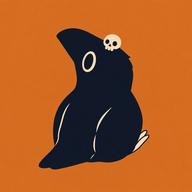
The Census Crow That Remembers Empty Houses begins with a simple archival fear: what happens to names after the people connected to them leave. The story imagines a crow that visits empty houses and speaks the names once written there, turning census memory into something winged, noisy, and difficult to ignore. That feeling matters because the creature is not only ominous; it is a moving record, carrying names back into places where ordinary speech has stopped.
This is not a claim that a literal bird keeps government records. It is a folklore pattern about vacancy, memory, and the unease of lists that outlive households. The crow gives the archive a voice. It turns an empty address into a scene where absence is counted again. The scene keeps the article grounded by tying the supernatural element to a porch, a street, a list, and the uncomfortable silence after a name is called.
The Scene at the Empty House
The strongest version of the story opens with an empty house rather than with the bird. The windows are dark, the porch is unused, and the mailbox has become a small archive of weathered paper. Then the crow arrives and calls a name that no one nearby has heard spoken in years. This lets the story treat memory as something active rather than decorative, a force that returns to check whether the past still has an address.
That order matters because the house already feels like a question. A vacant building suggests interruption, migration, death, foreclosure, or simple forgetting. The crow does not create the unease. It gives that unease a sound sharp enough to make neighbors look up. The crow therefore becomes a bridge between animal omen and paperwork, which is exactly where this record-folklore pattern finds its strange power.
The name is the important detail. If the crow merely cried at the roof, it would be an omen. By calling a name, it behaves like a broken record system, repeating information that should belong to paper, databases, or memory rather than to a bird. A longer reading also protects the tale from becoming a single clever image, because the name, the house, and the list each carry a different kind of absence.
Why the Crow Fits the Record
Crows are useful folklore creatures because they already sit near memory, intelligence, death, and watchfulness in many traditions. They gather, notice, return, and call loudly. Those real behaviors make it easy for a story to imagine a crow as a witness that refuses to forget. The legend works best when those absences are allowed to gather slowly, turning a local record into a small public haunting.
In this legend, the crow is not just a dark bird at a roofline. It is a clerk with feathers, a living index that moves from address to address. That strange role lets the story connect animal omen folklore with modern record anxiety. That is why the article keeps returning to sound: the call is brief, but it makes an archived name behave as if it still expects an answer.
The crow also gives the census a body. Lists are abstract until someone reads them aloud. When the bird calls a name from an empty house, the record stops being hidden in an office and becomes public, embarrassing, and almost ceremonial. The result is a modern mythic creature whose power comes from memory, not from claws, size, or spectacle.
Census Lists and Folklore Memory
Census records are designed to count households at a particular time, but people often experience them differently. They can become proof that someone lived in a place, belonged to a family, or passed through a town before later records went silent. That feeling matters because the creature is not only ominous; it is a moving record, carrying names back into places where ordinary speech has stopped.
The Census Crow turns that function into myth. It behaves as if the list still wants confirmation. A name was written, a house was counted, and now the bird returns to ask whether the old arrangement still holds. The answer, of course, is silence. The scene keeps the article grounded by tying the supernatural element to a porch, a street, a list, and the uncomfortable silence after a name is called.
That silence gives the story its sadness. The crow is frightening, but it is also performing a kind of memorial work. It calls to people who are gone, not because it expects them to answer, but because the record has not learned how to stop asking. This lets the story treat memory as something active rather than decorative, a force that returns to check whether the past still has an address.
Empty Houses as Folklore Places
Empty houses attract stories because they are private spaces with the privacy removed. A lived-in home explains itself through lights, voices, repairs, and routines. A vacant home leaves traces without context, which makes every remaining object feel like evidence. The crow therefore becomes a bridge between animal omen and paperwork, which is exactly where this record-folklore pattern finds its strange power.
The crow story uses that atmosphere carefully. It does not need a ghost in the hallway. The haunting happens outside, at the boundary where a public street meets a private memory. The house remains closed, but the name escapes into the air. A longer reading also protects the tale from becoming a single clever image, because the name, the house, and the list each carry a different kind of absence.
That boundary is why the tale feels modern even when it uses old omen language. People are used to records following them: forms, addresses, directories, bills, and files. The empty house becomes a place where those records continue after the life they described has moved on. The legend works best when those absences are allowed to gather slowly, turning a local record into a small public haunting.
What the Legend Warns About
At one level, the legend warns that communities forget unevenly. A household can disappear from conversation while remaining in paperwork. The crow exposes that mismatch by speaking what the neighbors no longer say. That is why the article keeps returning to sound: the call is brief, but it makes an archived name behave as if it still expects an answer.
At another level, the story warns that records are not neutral once they become attached to feeling. A name on a list can be useful for history, but it can also feel like a summons. The crow makes the summons literal and uncomfortable. The result is a modern mythic creature whose power comes from memory, not from claws, size, or spectacle.
The warning is not anti-record. It is about respect. The story asks whether names should be treated as administrative units only, or whether every old list also carries a small obligation to remember that the entry belonged to a life. That feeling matters because the creature is not only ominous; it is a moving record, carrying names back into places where ordinary speech has stopped.
Ordinary Explanations First
A grounded reading can begin with ordinary causes. Crows can mimic sounds, recognize places, return to feeding spots, and become associated with buildings through habit. Neighbors can mishear a call as a word, especially when a known name is already on their mind. The scene keeps the article grounded by tying the supernatural element to a porch, a street, a list, and the uncomfortable silence after a name is called.
Local history can do the rest. An empty house with a visible surname, an old mailbox, a sale notice, or a remembered family story gives listeners material to connect. The legend may grow when coincidence, memory, and a noisy bird line up. This lets the story treat memory as something active rather than decorative, a force that returns to check whether the past still has an address.
Those explanations do not flatten the tale. They show why it is believable enough to move. Folklore often survives because it begins with ordinary observations that are just sharp enough to feel arranged. The crow therefore becomes a bridge between animal omen and paperwork, which is exactly where this record-folklore pattern finds its strange power.
Why the Story Belongs in the Archive
The Census Crow belongs in the archive because it is about archiving itself. It asks what records do after their practical moment has passed. A census can be historical data, but in a story it can also become a book of absences. A longer reading also protects the tale from becoming a single clever image, because the name, the house, and the list each carry a different kind of absence.
The creature makes that abstract problem readable. Instead of explaining archival memory in technical terms, the legend shows a bird calling at a vacant porch. The image is strange, but the concern underneath it is ordinary: names remain after people leave. The legend works best when those absences are allowed to gather slowly, turning a local record into a small public haunting.
This gives the article a clear place among mythic-creature records. The crow is not only an omen animal. It is a record animal, a figure that turns administration, address, and neighborhood memory into a compact supernatural scene. That is why the article keeps returning to sound: the call is brief, but it makes an archived name behave as if it still expects an answer.
The Modern Meaning
The modern meaning of the Census Crow is about being remembered by systems that do not know how to mourn. Databases, forms, and archives keep entries because that is their function. The legend imagines what happens when those entries develop a voice. The result is a modern mythic creature whose power comes from memory, not from claws, size, or spectacle.
That voice can be frightening because it is impersonal and intimate at once. A census name is public information, but a name called at an empty house feels private. The crow crosses that line every time it opens its beak. That feeling matters because the creature is not only ominous; it is a moving record, carrying names back into places where ordinary speech has stopped.
The story remains useful because it does not ask readers to believe in a magical census office. It asks them to picture an old record refusing to become quiet. In that picture, a vacant house becomes a place where memory still lands. The scene keeps the article grounded by tying the supernatural element to a porch, a street, a list, and the uncomfortable silence after a name is called.